
The people behind the counts.
Kitchen Counts is the operational layer institutional kitchens have always needed and rarely had. It's built by people who know restaurant kitchens and the systems that run them, and sized for operators who don't want to give up the kitchen to gain the discipline.
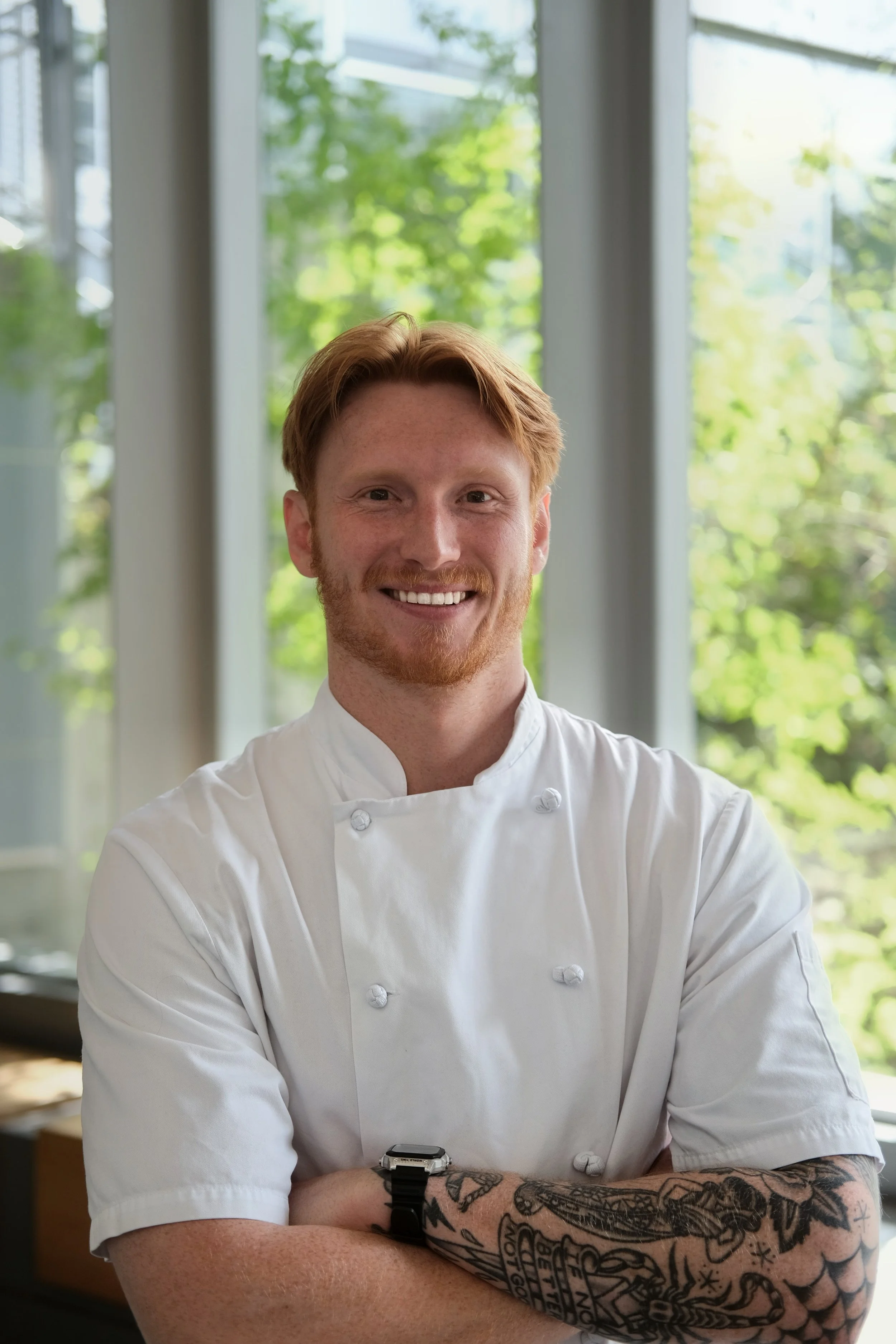
Kitchen Counts started in restaurants. Time spent managing inventory in professional kitchens, then building systems under the Red Book Consulting banner, taught us exactly where margin leaks in independent operations and how a disciplined weekly count changes the math. The reason we point that discipline at care kitchens is personal. Watching a grandparent move into care, we saw how much nutrition matters at that stage of life, and how often it came down to a repetitive corporate meal plan that left one facility indistinguishable from the next. The last chapter of someone's life shouldn't be undifferentiated. Care food deserves the operational discipline the best restaurants run on. (that story is here.)
Restaurants taught us the same lesson from the other direction. The best part of any restaurant is the people who run it, yet too often the whole operation leans on one person's heroics, carrying the orders, the counts, and the par levels in their head. It works until it doesn't. The people who care most end up overworked and undervalued, and when the discipline lives in a single head, cost drift compounds quietly in the background. Facility kitchens (campuses, clubs, schools) carry their own version of the problem. In conversations with facility operators, we kept hearing the same things: volume swings hard with the calendar, procurement answers to a committee that needs numbers it can trust, and catering crossover blurs the margin, all while the kitchen runs on a team already stretched thin.
Three segments, one gap. Operators wanted Compass-grade inventory discipline without the contract foodservice trade-off. SaaS dashboards didn't fill it, because software without operators is just expense. Full-time hires didn't fill it either: too expensive, too slow to find, and prone to turnover. Kitchen Counts is built as the third option: the discipline built and trained into your own team, sized to the operation, by people who understand kitchens.
Behind Kitchen Counts.

Network
Trusted operators and analysts
Kitchen Counts works with a small network of independent operators and analysts on engagement-specific work. We'd rather grow the network slowly than scale the wrong way.
Voices behind thesystem.
A small advisory network of operators and association partners who've shaped how Kitchen Counts thinks about institutional inventory. These are people we've worked alongside who've made Kitchen Counts better, not paid endorsers.
To be announced
September 2026To be announced
September 2026To be announced
September 2026To be announced
September 2026Operating principles.
Kitchen Counts is structured around three operating principles. They're not marketing; they're how engagements actually run.
The kitchen stays yours.
We don't replace your chef, your menu, or your team. We layer inventory and cost discipline on top of the kitchen you already run. If you'd rather hand the kitchen over entirely, contract foodservice is a real and valid option; we're the alternative for operators who don't want to.
Your team gets their time back.
The counting, the variance analysis, the vendor monitoring: that's our work, not another task on your team's plate. Your chef and staff stay focused on the food and the floor while Kitchen Counts runs underneath them. Discipline without the administrative drag.
You get to focus on your residents, guests, and clients.
With the numbers handled, your attention goes back where it belongs: to the people you feed every day. Kitchen Counts exists so the operation runs tighter without pulling you away from the work that actually matters.
Questions aboutwho we are.
About the business, the founder, the partnerships, and how Kitchen Counts is structured.
Ethan J. Allwood, founder, runs every engagement personally, supported by a small advisory board. The model is intentionally small: Year 2 plans add a part-time helper for system builds and reporting overflow. We grow the team slowly because the brand promise (the same person who pitched you runs your engagement) only works at a small scale.
Red Book Consulting is Ethan's restaurant operations consulting practice. Kitchen Counts is the productised version of the work: a one-month system implementation plus ongoing license and QA, in place of open-ended project consulting. Red Book still takes on scoped, project-based consulting work outside Kitchen Counts' one-service model.
Yes. Kitchen Counts is based in Toronto, ON. It was built the slow, deliberate way: in conversations with independent business owners who live the margin problem every day, and with advisers who shaped how we approach system design and implementation. Our focus right now is Canadian operators across three segments (care kitchens, restaurant operators, and facility kitchens), though we're not Canada-only. US and international operators are welcome, especially wherever food service is still predominantly run in-house. Operators outside our home region are served through the same one-month implementation model, coordinated remotely where an on-site visit isn't practical.
We're building relationships with industry associations and academic partners as Kitchen Counts grows. The credentials we care most about are operator references: the engagements themselves, documented as case studies as they mature.
You made it through the founder story.
Next: See pricing